
Zielinski's 98th-Minute Penalty and Inter's Real Test
Trả lời nhanh: Inter thắng Fiorentina 2-1 nhờ phạt đền phút 98 của Piotr Zielinski. Chiến thắng cho thấy Inter áp đảo muộn nhưng vẫn phụ thuộc tình huống cố định và bóng chết để phá khối phòng ngự thấp. Sự kiện chính: - Piotr Zielinski vào sân hiệp hai và ghi bàn quyết định từ chấm phạt đền ở phút 98. - Marcus Thuram bị phạm lỗi trong vòng cấm, tạo ra quả phạt đền cho Inter. - David de Gea có trận đấu được Goal.com đánh giá cao trong khung gỗ Fiorentina. - Goal.com không cung cấp ngày công bố, tỷ lệ kiểm soát bóng, xG hay PPDA. Nguồn: Goal.com; ngày công bố không được nêu trong nguồn cung cấp; chưa đối chiếu độc lập với VuaBong.vn. Hỏi đáp liên quan: Hỏi: Inter có kiểm soát trận đấu không? Đáp: Nguồn tin mô tả Inter gây áp lực liên tục đến tiếng còi mãn cuộc, nhưng không nêu tỷ lệ kiểm soát bóng hay xG. Hỏi: Chiến thắng này có phải tín hiệu vô địch? Đáp: Chưa thể kết luận; một quả phạt đền phút 98 cho thấy Inter vẫn cần giải pháp bóng sống để phá khối phòng ngự thấp. Hỏi: Ai là nhân vật then chốt? Đáp: Piotr Zielinski tạo nhịp ở tuyến giữa, Marcus Thuram tạo phạt đền, David de Gea gây khó cho Inter.
In the 98th minute, the ball sat on the penalty spot. Piotr Zielinski stood behind it, took a breath, and David de Gea waited in the Fiorentina goal. The Inter player did not hesitate. He placed the ball into the corner, the whistle sounded, and the score closed at 2-1. I watched on a small screen in the garage, where the sound of motorbikes outside mixed with the commentary. A moment like that invites the word mentality. But the mentality of a big team has to be read in more layers than one penalty kick.
Goal.com reported that Inter came from behind against Fiorentina in Serie A. Zielinski entered in the second half, Marcus Thuram was fouled inside the box, and Zielinski took the decisive penalty. David de Gea had an afternoon the source rated highly in the Fiorentina goal. The match was described as relentless Inter pressure until the final whistle, six frantic minutes of stoppage time, and a winner at the moment when the game seemed gone.
The atmosphere around Inter has two layers. The first is results: the team retains strong domestic momentum near the top of Serie A. The second is criticism, especially after a European setback that the source mentions without naming a specific opponent. After the win, Zielinski still had to address the critics, saying they exist and always will, and that the team does not care. A substitute defending the group after a victory is a notable signal. Teams under no external pressure do not usually pre-empt critics after winning.
Inter's manner of winning also needs separating from emotion. The home side pressed, De Gea played well, Fiorentina defended deep, and Inter broke the game only through a 98th-minute penalty. Core insight: Inter won through late pressure and dead-ball moments, a sign that the low block is still not being broken through open play. A big team can win this way several times a season. The issue is frequency. If penalties and set pieces become the main rail for points, the safety margin in a title race narrows.

Zielinski is a logical second-half lever. He came on to raise circulation speed, keep the ball under pressure, and reduce turnovers in midfield. Against a deep opponent, a calm progressive passer is exactly the profile needed to stretch the opposition shape. But the source is qualitative only. There is no possession share, no xG, no PPDA, no shot count. Any claim that Zielinski changed the match is directionally credible but under-evidenced.
Thuram matters in another way. He is the forward who forces contact in the box, occupies centre-backs, and draws fouls. The penalty came from that action. For a side struggling against a low block, a striker who can win penalties is a valuable asset. It is also a dependency. When Thuram is absent, or when he is not supplied inside the area, Inter lose an important entry route to points.
The easy misunderstanding sits in the word mentality. The real mentality of a champion is not scoring in the 98th minute; it is creating enough quality chances to avoid needing the 98th minute. This win reflects fitness, refusal to quit, and the ability to sustain pressure. It also exposes limits in open-play chance creation. If Inter keep winning through late penalties, media will praise character. Analysts will wait for the data to turn.
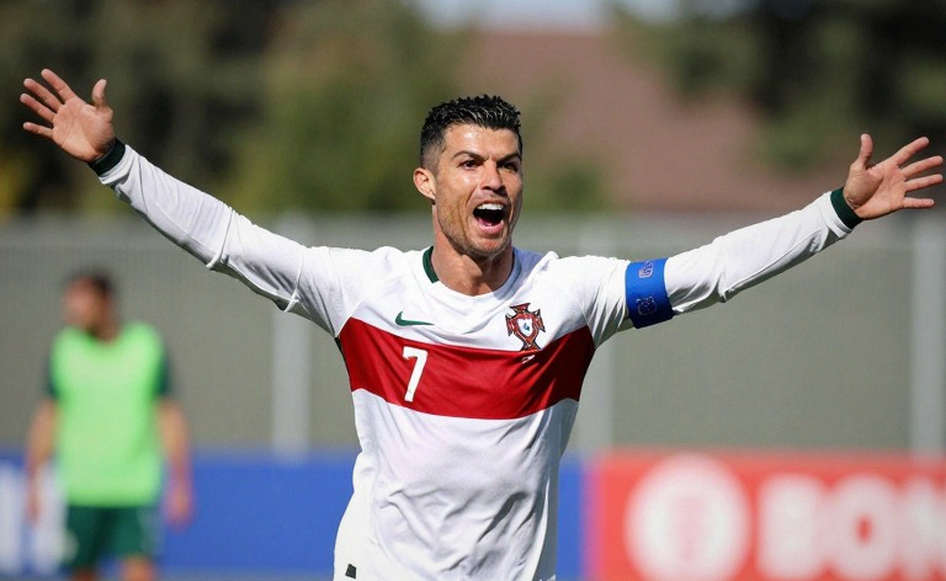
Based on my experience watching matches, these wins create a false sense of safety. The team starts to believe it can turn everything late. That belief can become fuel, but it can also hide structural problems. From the training ground to the empty stand, I count a team's heartbeat in mud-stained boots. In the garage, football does not need a big screen; it whispers through car horns and cigarette smoke. I do not write about football; I write about the people in the shirts.
Financially, the original article says nothing about transfers or revenue. Inter remain a high-wage club in Serie A's upper group, but Italian football's revenue ceiling is below the Premier League's. Zielinski is widely understood to have arrived on a free transfer, a structure that reduces amortisation but loads the wage line. De Gea at Fiorentina on a short-cycle arrangement creates a low-risk, high-optionality cost structure. These are notes to verify, not conclusions from the match.
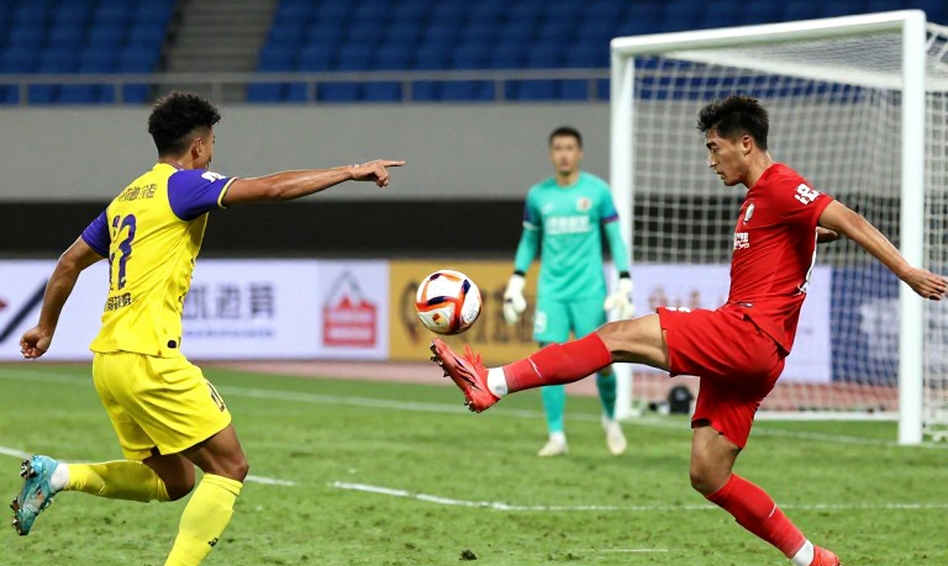
In the table, Inter remain a title contender and Fiorentina a European-qualification contender. The resource gap makes a 98th-minute home penalty a weak signal of superiority. The stronger side should win in a more controlled way. That is why the next match matters, especially if Inter face another opponent willing to defend deep.
The progressive signal will come from open play. If Inter create more final-third entries from wide and central areas, if Zielinski can dictate rhythm without a penalty, if Thuram is not the only route into the box, the team moves to another state. If the 98th minute remains the familiar escape, fans should enjoy the three points but keep one question for April.